
We Want Our Genome Story
Price range: $20.00 through $24.00
Select options
This product has multiple variants. The options may be chosen on the product page
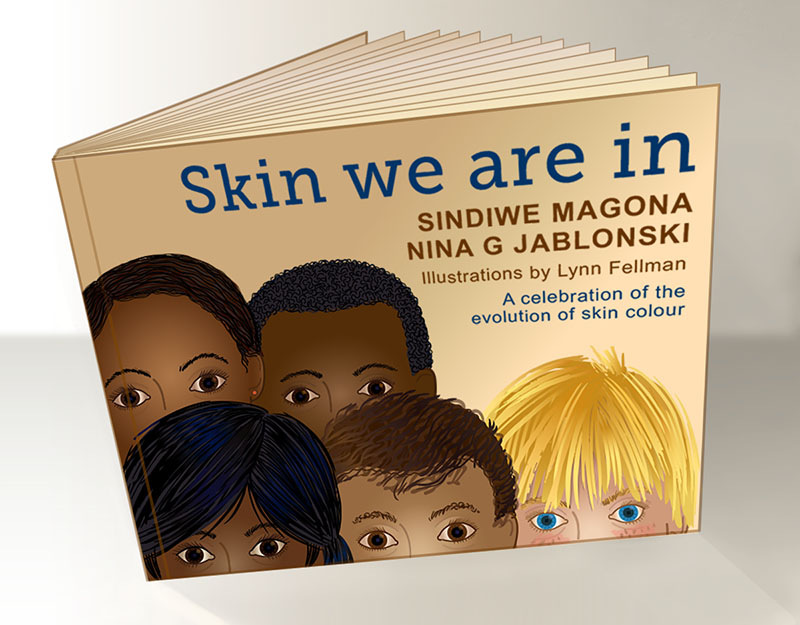


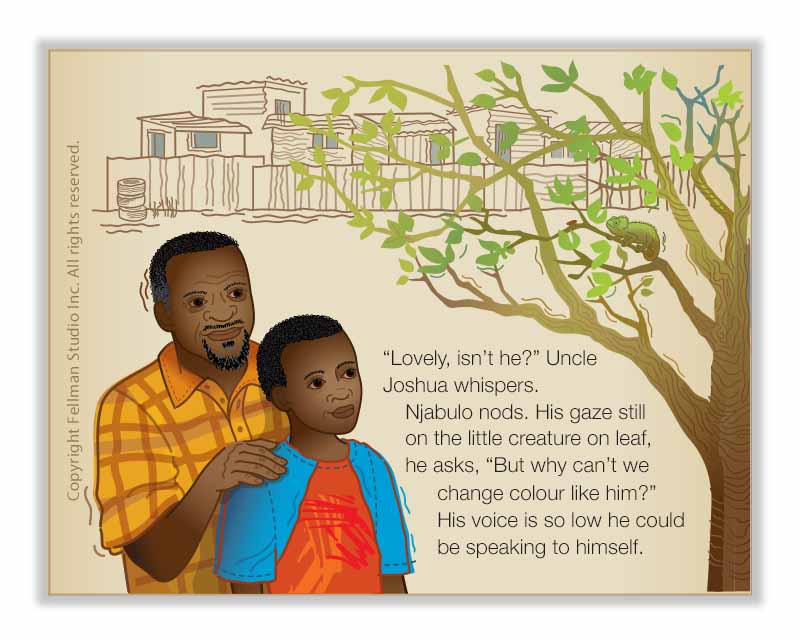
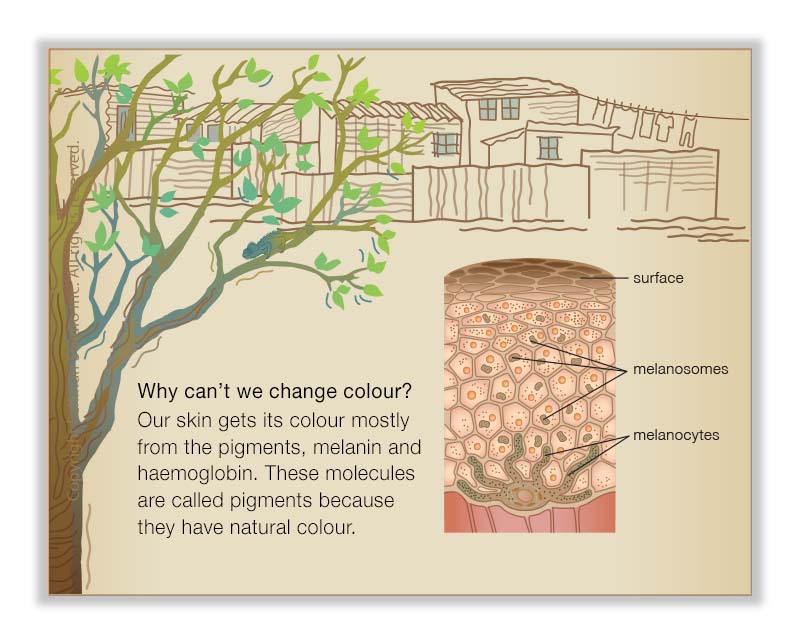
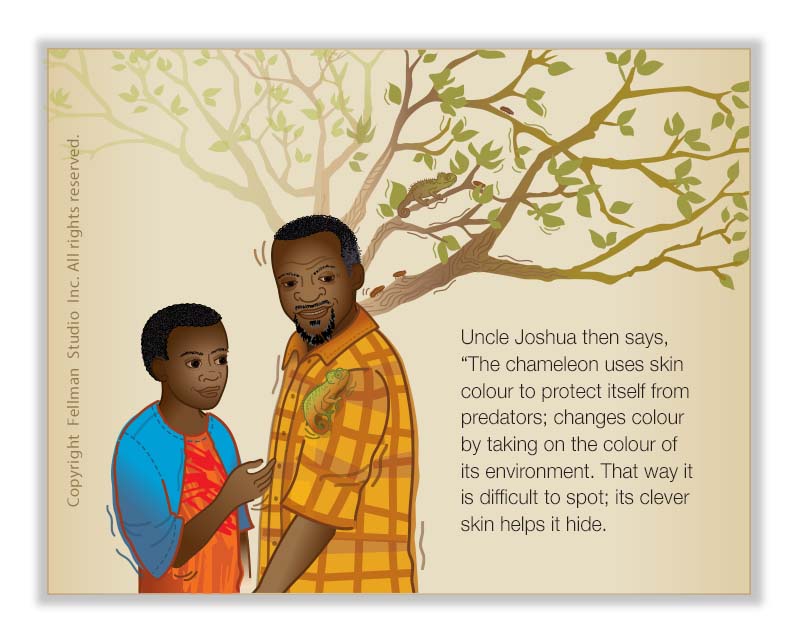
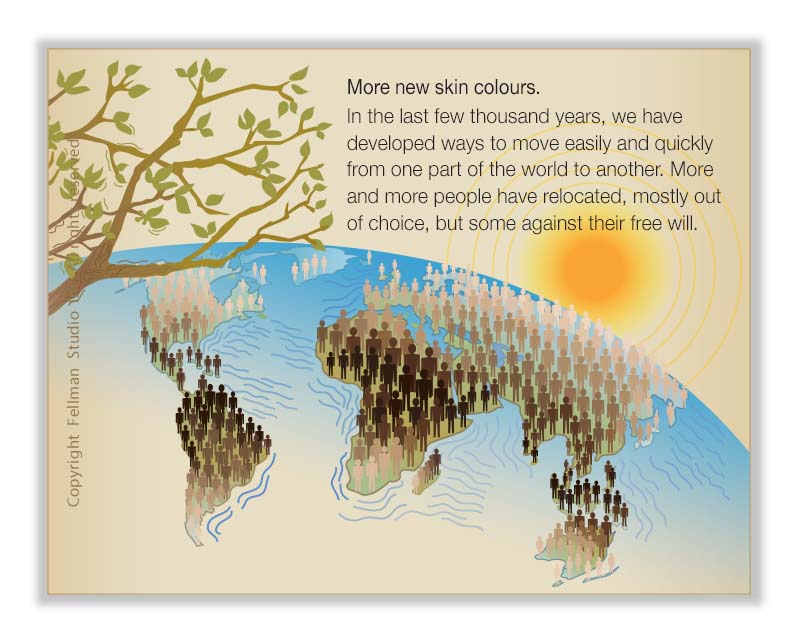
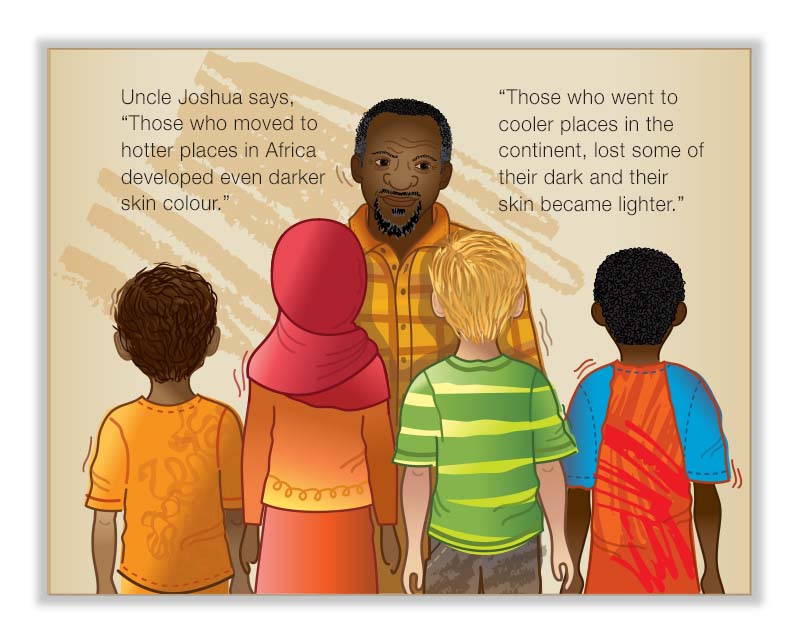
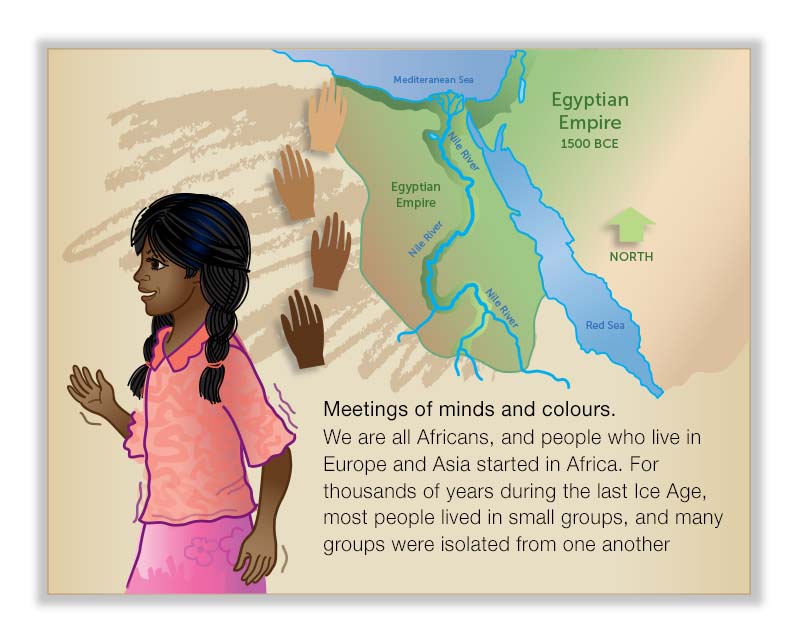
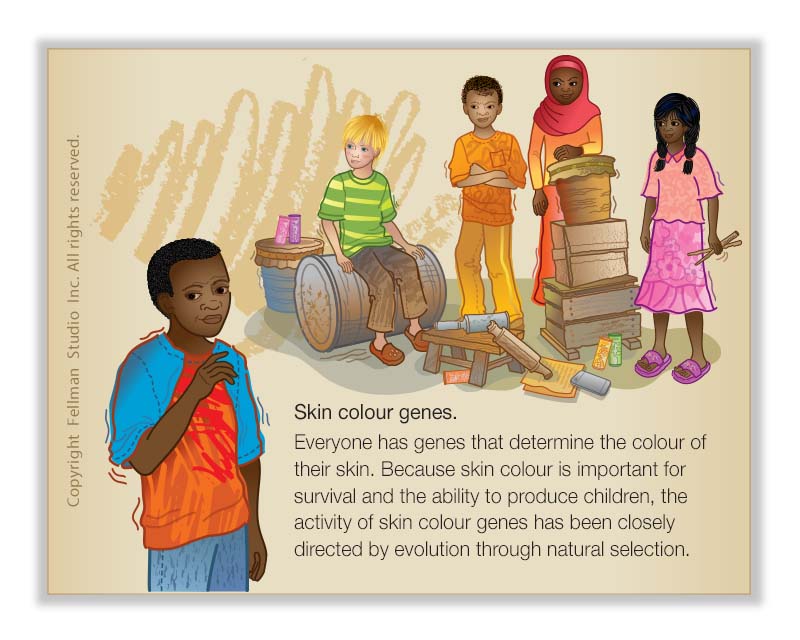
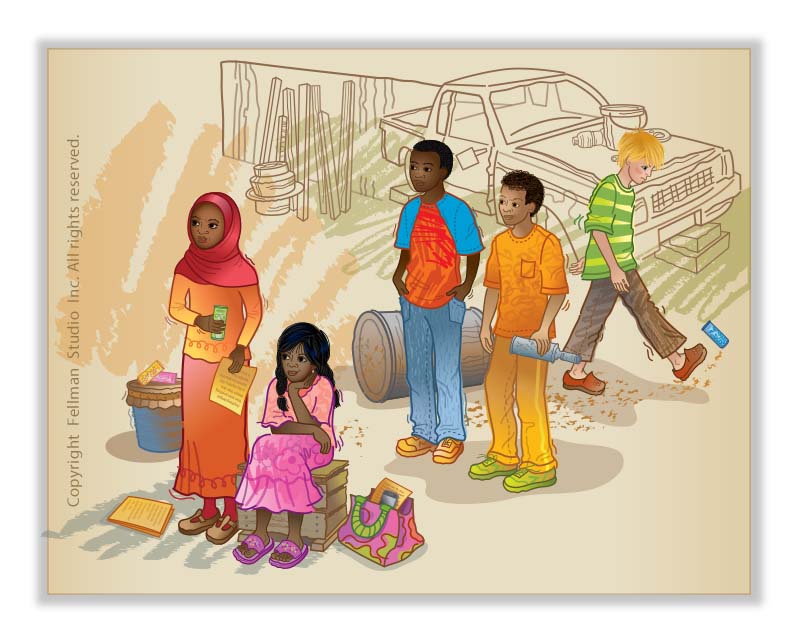
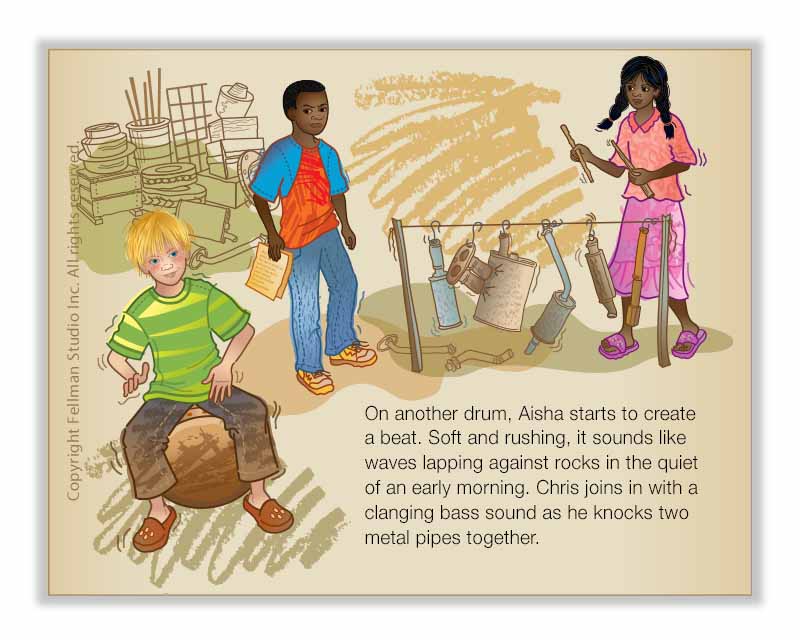
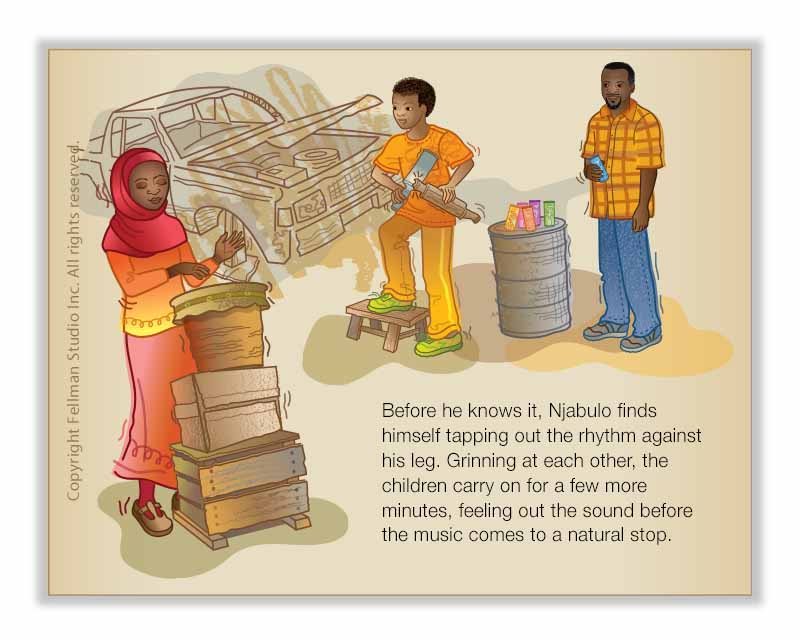
Skin We Are In is a 48 page soft-over book about the evolution of human skin color through the voices of six curious children and one thoughtful uncle.
Scroll down to learn about the authors and for comments from enthusiastic readers.
$20.00
The Skin We Are In measures 8.25 x 6 inches, has 48 pages with a soft cover.
Shipping: $10.00 fee covers some of the costs to package and ship your purchase. We deliver anywhere in the continental US.
Sales tax is only charged on purchases made by Virginia residents. Sales tax is not charged on shipping.
Publisher: David Philip Publishers and New African Books in Cape Town, South Africa, published this 2016 edition of Skin We Are In. Larger softcover and hardcover editions were also published, but are no longer available. The English version has been translated into 11 African languages.
ISBN-10: 1485626080 | ISBN-13: 978-1485626084
Six curious children and one thoughtful uncle learn about evolution by discussing human diversity. They discover why we have different skin colors and how people’s attitudes about skin color have changed throughout history.
The book was a collaborative endeavor by South African writer Sindiwe Magona, American anthropologist Dr. Nina Jablonski, and me (Lynn Fellman) as the illustrator. It was created for young people aged 9 to 14 and is printed in English and all eleven official languages of Africa.
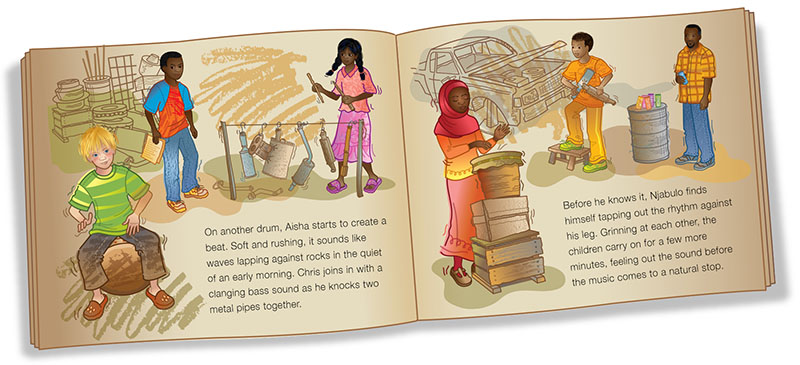
“One of South Africa’s best-selling authors, Sindiwe Magona, has teamed up with well-known American anthropologist Nina G. Jablonski and award-winning illustrator Lynn Fellman to create a much-needed book about race and skin color for children. Magona has written a story of five friends as they explore and discuss the skin they are in. The scientific narrative, written by Jablonski, expands and supports the conversation topics generated by the children’s adventure.” — from the Barnes and Noble website
“A much-needed book about race and skin color for children.” — Woman from Cape Town
“This book should be compulsory in all schools in South Africa.” — Sara-Jayne King, author of “Killing Karoline”
“Skin We Are In” is a testament to the inspiration, vision, and conviction of dozens of people, who created, edited, reviewed, and promoted it because they knew that the children of South Africa and the world needed it.” — Dr Nina Jablonski
Price range: $20.00 through $24.00
Price range: $20.00 through $24.00
Price range: $20.00 through $38.00